PLATINUM AND GOLD SPONSORS






SPONSORS





SPONSORS
SUPPORTED BY

I run the Data & Digital Office for Biomedical Research, enabling delivery of our strategic initiatives, and advancing our digital transformation. I work closely with key stakeholders and our Data Science and Informatics teams across the organization to ensure value delivery, optimal use of data and digital assets, and sound investment decisions into the right priorities.
My role is to maximize the impact of Data Science and Artificial Intelligence on our R&D pipeline’s speed and success rate, bringing better new drugs faster to patient.

As the Executive Vice President, Head of R&D at Lundbeck I work together with my talented team to be premiere in neuroscience research and development, translating forefront science into novel medicines to restore brain health and enable people impacted by brain disease to live a better life.
With a focus on applying our leading capabilities in translating neurobiology insights into breakthrough medicines serving neurology, psychiatry, and pain indications where there are particularly high unmet medical needs.
Prior to joining Lundbeck I worked with large, mid-sized pharma, and start-up biotech companies. My expertise lies in R&D line-management, project leadership, and program (portfolio) management, from target and drug discovery throughout to late development, for small molecules and biotherapeutics (mAbs and protein ligands) in the neuroscience area (neurology, psychiatry, and pain) and in the immunology & inflammation area (dermatology & rheumatology).

Christian Diehl, Chief Data & Digital Officer, Biomedical Research (BR). Christian serves as BR´s Chief Data & Digital Officer and is a member of the BR leadership team. He leads Research Informatics and large data initiatives like Data42 and flagship AI initiatives, driving AI and digital innovation for BR. He also serves on the board of directors of Novartis Germany.

Hans Clevers is world-renowned for his work in the fields of cell biology, molecular signaling and stem
cells. His research groups’ discoveries include the detailed characterization of the molecular effectors
and integrators of the “Wnt” pathway, which play crucial roles in health and disease, including in stem
cells, regeneration and cancer. His group provided important insights into (intestinal) stem cell biology,
exploiting LGR5 as a novel stem cell marker. This eventually led him to pioneer “organoids”, 3
dimensional in vitro structures that behave anatomically and molecularly like the organ from which they
are derived. Organoid biology has revolutionized the way we understand and approach human biology
and medicine.
Hans Clevers obtained his MD and PhD degrees from the University of Utrecht, the Netherlands. He
holds a professorship in Molecular Genetics from the University of Utrecht. He previously held
directorship/President positions at the Hubrecht Institute, the Royal Netherlands Academy of Arts and
Sciences and the Princess Maxima Center for pediatric oncology. He has served as Head of Roche’s
Pharma Research & Early Development (pRED) since March 2022 as member of the company’s Enlarged
Corporate Executive Committee. In 2023, he oversaw the establishment of the Institute of Human
Biology (IHB) in Basel, and currently serves as its ad interim Director. Hans Clevers will remain in charge
of the IHB until a successor is appointed, while supervising his research groups at the Hubrecht Institute
and the Princess Máxima Center.
He is the recipient of multiple international scientific awards, including the Breakthrough Prize in Life
Science. Hans Clevers is a member of the Royal Netherlands Academy of Arts and Sciences (NL), the
National Academy of Sciences (USA), the Royal Society (UK) and the Academie des Sciences (France). He
is also Chevalier de la Légion d’Honneur and Knight in the Order of the Netherlands Lion, among many
other international accolades.

Mark Fish is the Vice President & General Manager of Digital Lab Solutions at Thermo Fisher Scientific. Mark’s role focuses on the innovation and execution of Thermo Fisher’s Automated Digital Lab Solutions portfolio, as we enable our customers to reimagine their laboratory processes with leading-edge digital, laboratory and automation capabilities. With over 20 years of laboratory informatics experience, Mark has focused on building long-term, trusting customer relationships, and delivering valuable, strategic solutions to address industry challenges. Throughout his career, Mark has held significant positions at Thermo Fisher Scientific, Accenture, Brooks Life Sciences, and Brooks Automation. With his extensive experience, Mark has developed a deep understanding in the laboratory informatics and laboratory automation spaces.

Edith Heard, PhD, FRS is a British scientist and previous Director General of the European Molecular Biology Laboratory. She graduated from Cambridge University in 1986, specialising in genetics, and then carried out her PhD at the Imperial Cancer Research Fund, working on gene amplification mechanisms in cancer.
She moved to the Pasteur Institute in Paris in 1990, as a postdoc, which is where she began her studies on the epigenetic process of X-chromosome inactivation. In 2000 she spent a year at Cold Spring Harbor Laboratory in the USA as a visiting scientist, before moving to the Institut Curie in 2001, where she was director of the Genetics and Developmental Biology Department. In 2025, Edith joined the Crick as Chief Executive Officer.
Edith’s laboratory focuses on epigenetic processes in mammals, with a particular interest in chromosome biology and the role of non-coding RNAs, chromatin structure and nuclear organization, in the establishment and maintenance of differential expression patterns during development and in disease. She became an EMBO member in 2005, was awarded the CNRS Gold Medal in 2024, the CNRS Silver Medal in 2008 and elected as a Fellow of the Royal Society in 2013.
Junaid is a Senior Partner at Flagship Pioneering, leading the UK division and serving as a Science Partner for Pioneering Intelligence globally. He is also a practicing physician with the UK’s National Health Service. Previously, as Chief Medical Scientist at Microsoft Research, Junaid focused on integrating trusted, reliable, and human-centered AI into medicine, leading strategic partnerships and spearheading Responsible AI initiatives. With extensive experience in primary and secondary care, public health, and roles as a payer and policy maker, Junaid’s work spans healthcare systems across the US, Europe, Australia, the Middle East, and Singapore. Academically, he holds positions as a Clinical Associate Professor at University College London (UCL) and as a Visiting Scientist at both the Harvard School of Public Health and NTU in Singapore.

Bert is a Senior Fellow Architecture and Engineering at JnJ Innovative Medicine Technology R&D. That means he designs future proof solutions for the Global Sciences department, focusing on cloud-native implementations of systems that require High Performance Compute or require full integration. Bert has a background in Chemistry and Computer Science. During his 28-year career at JnJ he has spent 26 years in various IT departments. In his current position, Bert is predominantly focused on the Discovery (overall process, and In-silico design using Machine Learning) and the lab execution (Scientific Data Management) systems.
Edith Heard, PhD, FRS is a British scientist and previous Director General of the European Molecular Biology Laboratory. She graduated from Cambridge University in 1986, specialising in genetics, and then carried out her PhD at the Imperial Cancer Research Fund, working on gene amplification mechanisms in cancer.
She moved to the Pasteur Institute in Paris in 1990, as a postdoc, which is where she began her studies on the epigenetic process of X-chromosome inactivation. In 2000 she spent a year at Cold Spring Harbor Laboratory in the USA as a visiting scientist, before moving to the Institut Curie in 2001, where she was director of the Genetics and Developmental Biology Department. In 2025, Edith joined the Crick as Chief Executive Officer.
Edith’s laboratory focuses on epigenetic processes in mammals, with a particular interest in chromosome biology and the role of non-coding RNAs, chromatin structure and nuclear organization, in the establishment and maintenance of differential expression patterns during development and in disease. She became an EMBO member in 2005, was awarded the CNRS Gold Medal in 2024, the CNRS Silver Medal in 2008 and elected as a Fellow of the Royal Society in 2013.
Junaid is a Senior Partner at Flagship Pioneering, leading the UK division and serving as a Science Partner for Pioneering Intelligence globally. He is also a practicing physician with the UK’s National Health Service. Previously, as Chief Medical Scientist at Microsoft Research, Junaid focused on integrating trusted, reliable, and human-centered AI into medicine, leading strategic partnerships and spearheading Responsible AI initiatives. With extensive experience in primary and secondary care, public health, and roles as a payer and policy maker, Junaid’s work spans healthcare systems across the US, Europe, Australia, the Middle East, and Singapore. Academically, he holds positions as a Clinical Associate Professor at University College London (UCL) and as a Visiting Scientist at both the Harvard School of Public Health and NTU in Singapore.

Max has 25+ years of industry experience, focused on digital transformation in chemicals & materials, life sciences, and biotech industries. Throughout his career, Max has held positions in consulting, scientific product development/management, and various other technology leadership positions.
Max specializes in data architecture and design with emphasis on the full data lifecycle, including provenance management, active and passive data approaches to quality, dashboarding/modeling/ authoring applications of data, data extraction-transformation architecture and design for data aggregation, ontologies, and cross-industry reference data standards.
While at Dotmatics, Max headed up the chemicals & materials division and was also responsible for the formulations data management product strategy. While at Biovia, Max led strategic consulting engagements for top 50 chemicals companies.

Kristof holds 25 years of experience in Plant Science, of which the last 15 years in Digitalization projects. He started his career as Researcher at the Plant Genetics department of the University of Brussels, then later joined Bayer CropScience in multiple roles and is now working with BASF Agricultural Solutions as Program Manager – Molecular Characterization. Throughout his career, he developed a solid mix of bio-technology knowledge with hands-on lab experience, in-depth project management and a broad digital affinity. In his current role, Kristof manages the Digital Product Family that oversees the application landscape for BASF’s Seeds & Traits molecular laboratories. Covering the entire business spectrum from initial discovery to final commercialization, his team takes care of ontologies, repositories, ELN, LIMS, data products & AI solutions. The lab is Kristof’s lifelong passion. It’s the place where magic happens!


My mantra to make decisions is this quote by Edwards Demings: “In God we trust and all others must bring data”. I have over 11 years of experience working with data. Recently, I was involved in the development of ontologies and data standardization strategies at Monsanto Research Centre, a subsidiary of Bayer Crop Science. In my previous roles I’ve been involved in bioinformaticis, data mining, data stewardship, data visualisation, the development of tools for querying structured and unstructured data and pipeline analytics.
Max has 25+ years of industry experience, focused on digital transformation in chemicals & materials, life sciences, and biotech industries. Throughout his career, Max has held positions in consulting, scientific product development/management, and various other technology leadership positions.
Max specializes in data architecture and design with emphasis on the full data lifecycle, including provenance management, active and passive data approaches to quality, dashboarding/modeling/ authoring applications of data, data extraction-transformation architecture and design for data aggregation, ontologies, and cross-industry reference data standards.
While at Dotmatics, Max headed up the chemicals & materials division and was also responsible for the formulations data management product strategy. While at Biovia, Max led strategic consulting engagements for top 50 chemicals companies.
Kristof holds 25 years of experience in Plant Science, of which the last 15 years in Digitalization projects. He started his career as Researcher at the Plant Genetics department of the University of Brussels, then later joined Bayer CropScience in multiple roles and is now working with BASF Agricultural Solutions as Program Manager – Molecular Characterization. Throughout his career, he developed a solid mix of bio-technology knowledge with hands-on lab experience, in-depth project management and a broad digital affinity. In his current role, Kristof manages the Digital Product Family that oversees the application landscape for BASF’s Seeds & Traits molecular laboratories. Covering the entire business spectrum from initial discovery to final commercialization, his team takes care of ontologies, repositories, ELN, LIMS, data products & AI solutions. The lab is Kristof’s lifelong passion. It’s the place where magic happens!

Nick Fuller is Product Director for the Next-Generation Platform at IDBS, where he leads the vision and evolution of data-centric solutions that address the growing complexity of scientific workflows in drug development. With over a decade of experience at IDBS and Danaher, Nick has worked closely with global biopharma organisations to understand the real-world challenges scientists face – from fragmented data landscapes and legacy systems to the need for faster, more informed decision-making. His career spans training, consultancy, and leadership of strategic delivery teams, giving him deep insight into both the operational and scientific context of modern R&D. Today, Nick focuses on shaping a future where unified data backbones underpin seamless, connected workflows, and where AI plays a central role in augmenting scientific discovery and transforming ways of working. He is passionate about translating complex technical capability into meaningful outcomes for scientists, helping organisations unlock the full value of their data to accelerate innovation. Nick holds a BSc in Biochemistry from the University of Southampton and is trained as an educator, enabling him to communicate complex concepts clearly and drive alignment across diverse stakeholders.
Julie Klint, serves as the Director of Molecular Discovery and Enabling Technologies at Lundbeck Research. She earned a Master of Pharmaceutical Sciences from Copenhagen University and a PhD from the University of Queensland, specializing in Ion channel Drug discovery. After a few years as a Research Leader at Evotec AG, Automated Patch Clamp facility in Hamburg, Germany, she joined Lundbeck in Copenhagen, Denmark. At Lundbeck, she is a core member of the Research Leadership team and plays a pivotal role in advancing innovative Drug Discovery projects in the field of Neuroscience. Her leadership is driving research projects, through cutting edge technologies and the integration of Generative AI and predictive modeling to transform drug discovery processes. She is responsible for the Digital strategy of Lundbeck Research and is leading the implementation of Research Scientific data system and application platforms, enhancing lab automation and implementing FAIR data principles.


An innovative Scientist, Informatician and Technologist with over 25 years of experience in AI/ML, data science and advanced technologies as a Member and Leader of both R&D and IT groups, providing strategic direction and building diverse teams to support the design and development of novel drugs, across modalities and indications. Experienced working and collaborating with start-ups, not-for-profit organisations and large pharma at all levels including executive leadership, internal consulting, and non-executive & advisory board memberships.

Sophie bridges the world between science and technology to shape the future of digital CMC for both large and small molecules. Dedicated to accelerating how we develop, manufacture, and supply new medicines; she fosters high performing teams capable of delivering complex programs which have generated significant business value both for leaders and scientists. Her core focus areas are lab automation, data & AI; including predictive models, simulations, and digital twins. As an inspirational and versatile leader, Sophie has a track record of successful change programs to define and deploy strategic transformation, cultural change, and uplift in technology. Sophie has over 20 years’ experience in the Pharmaceutical Industry; she has a PhD in Analytical Chemistry with research focused on modelling separation mechanisms of complex polar molecules, she is a Chartered Chemist with Royal Society of Chemistry and holds a diploma in Business Management as a Chartered Manager with CMI. Sophie is a co-chair of the AZ Pride Ireland and UK group and is passionate about driving equality both inside and outside work.

Senior Product Owner & Product Manager for GSK in the R&D Tech division with 20 years’ experience in pharmaceutical R&D at Pfizer and GSK. A PhD biochemist by training, I spent 14 years in early research high throughput screening/compound profiling before transitioning to IT. I have delivered IT solns across CMC functionalities: CG&T supply chain, multi-modality QC LIMS & CMC data access tools, and I am passionate about realising data accessibility in CMC to match the capability in early research. Currently I am accountable for the Tech strategy to digitalise CMC Lab Data Capture from point of generation to availability for re-use, leading the delivery of a multi-modality global CMC ELN deployment and multiple Lab of the Future initiatives.

Jason Boyd is the Head of Regulated Labs Strategy at Benchling. He leads initiatives to expand the company’s impact into the regulated labs through strategic product roadmaps and cross-functional leadership.

Optimizing vendor strategy and service delivery at one of AstraZeneca’s most strategic R&D sites, unique in housing the full value chain, from early discovery to late-stage development.


Martin Winter is founder and CEO of Lab Automation Network since 2008. Martin is passionate about providing outstanding technological solutions to life science companies with his alliance of leading lab automation and digitalization partners. Driving the technological transformation in pharma, biotech and diagnostics industries will significantly improve medical research and individual healthcare.
Martin pursued his chemistry studies in Aachen and Constance before earning his PhD in organic chemistry from the University of Tübingen in 2001. With a professional journey beginning in 1998, he has held various co-founding and managerial positions in biotech and life science technology companies. Martin resides in Tübingen, Germany.

Tamara graduated with a BSc (Hons) in Chemistry, from the University of Witwatersrand. After graduating, she spent some time working as a process metallurgist for a Mining Research and Technology business before moving into the LIMS industry. She has behind her more than 22+ years’ experience in the laboratory information technology and services industry, where she held positions in Services, Sales & Strategic Accounts Management. Tamara joined Clinisys in May 2023 and is now the Director, Global LIMS Sales.
Bert is a Senior Fellow Architecture and Engineering at JnJ Innovative Medicine Technology R&D. That means he designs future proof solutions for the Global Sciences department, focusing on cloud-native implementations of systems that require High Performance Compute or require full integration. Bert has a background in Chemistry and Computer Science. During his 28-year career at JnJ he has spent 26 years in various IT departments. In his current position, Bert is predominantly focused on the Discovery (overall process, and In-silico design using Machine Learning) and the lab execution (Scientific Data Management) systems.

The design and deployment of digital platforms are at the heart of my work. I specialize in cloud architecture, driving innovations that enable global expansion and streamline product delivery. My collaborative approach ensures that solutions not only meet but exceed the evolving demands of digital healthcare.

Rob Brown is Global VP, Head of Scientific Office Sapio Sciences. Prior to joining Sapio Sciences, he spent eight years at Dotmatics where he held various positions including Head of Global Presales and Head of Product Marketing & Product Management. Earlier in his career he was responsible for product marketing teams for cheminformatics and bioinformatics at Accelrys, SciTegic and MSI. Rob started his career as a postdoc and later research scientist in the Computer Aided Molecular Design department at Abbott Laboratories (now Abbvie). He received his PhD in Cheminformatics from the University of Sheffield, UK.

I am a Business integrator and I am able to translate business needs into IT specifications coordinating multidisciplinary teams (business, lean sigma and IT/analytics), proposing solutions with TCO and ROI. With 20 years of experience spanning from basic research, Manufacturing, advanced Data Analytics and, more recently Digitalization and Business Consulting. I have developed advanced analytics solutions for top products like Keytruda, Gardasil, Bridion (on which he has co-authored 2 patents). I have Developed an investment roadmap for data monetization in manufacturing based on both compliance to ICH Regulations and practical business reporting and progressive analytics needs.


Jelrik Masson is a Senior Director, Europe LIMS Strategy at Veeva, educating and engaging companies on modernising quality control with Veeva LIMS. Veeva LIMS is a cloud-based SaaS LIMS solution built specifically for quality control environments in the life sciences industry. As a 25-year veteran of the Life Sciences industry, his career has spanned leadership roles in both sales and services at companies including PerkinElmer, Waters, and LabWare, where he managed the French branch. Before joining Veeva, he was a sales leader at SaaS firms L7 Informatics and Tetrascience. Jelrik possesses deep expertise in laboratory technologies such as LIMS, ELN, SDMS, LES, and data platforms
An innovative Scientist, Informatician and Technologist with over 25 years of experience in AI/ML, data science and advanced technologies as a Member and Leader of both R&D and IT groups, providing strategic direction and building diverse teams to support the design and development of novel drugs, across modalities and indications. Experienced working and collaborating with start-ups, not-for-profit organisations and large pharma at all levels including executive leadership, internal consulting, and non-executive & advisory board memberships.

For over a decade, I’ve been supporting digital transformation efforts, leveraging Semantics and Natural Language Processing (NLP) to drive innovation in data management. My expertise lies in building scalable, ontology-driven systems and knowledge graphs that enable smarter, more efficient decision-making and data reuse. With a background in computational linguistics and machine learning, I have led transformative projects across a wide array of industries, helping organizations harness the full potential of their data. I’m passionate about turning unstructured data into actionable insights, enabling businesses to unlock new opportunities. I am passionate about leading digital transformation initiatives that bridge the gap between complex data and operational impact. I thrive on collaborating across teams to implement cutting-edge solutions that push the boundaries of what’s possible.


Yash Sabharwal, co-founder and CEO of QbDVision, brings over 25 years of experience solving complex problems within the life sciences industry. His journey includes co-founding Xeris Pharmaceuticals, a public company with approved treatments for severe hypoglycaemia and Cushing’s disease, and his first venture, Optical Insights, established in 1997 to develop sophisticated digital imaging solutions for biomedical applications. Before founding QbDVision, Yash served as the COO and CFO for Xeris Pharmaceuticals in its early years. During his later years at Xeris, when its lead program was being scaled for manufacturing, he identified a critical industry need for software tools to consolidate and standardize all CMC data and information generated throughout the product and process development lifecycle. In response, he launched the QbDVision project in 2017 to create a new category of software called Digital CMC. Today, QbDVision offers a comprehensive Digital CMC software platform to tackle operational hurdles across the drug development lifecycle from early-stage process development through commercial translation for pharmaceutical and biotech companies. The platform is currently being used by seven of the top 50 global therapeutics companies in the world as well as emerging biotech companies. Yash is widely recognized as a thought leader in digitally structured data management for CMC workstreams based on ICH guidelines and quality-by-design principles. He has contributed whitepapers, presentations, and recorded webinars on data governance and data integrity for prominent industry organizations, including Biophorum, PDA, the American Association of Pharmaceutical Scientists, and IFPAC. Yash holds a B.S. in Optics from the University of Rochester and M.S. and Ph.D. degrees in Optical Sciences from the University of Arizona.


As a digitalization expert, Corinne Ploix specializes in optimizing lab processes and streamlining data management to ensure FAIRness and compliance in immunosafety and pathology. She develops and implements automated solutions for assay execution and data integrity, collaborating with teams and stakeholders across the organization.
With over 20 years of experience, she is a dedicated immunosafety professional and operational project leader, committed to supporting the non-clinical development of new medicines. Her expertise lies in identifying, characterizing, and mitigating potential risks to the safety and efficacy of biotherapeutics and the immune system. She has significantly contributed to advancing novel assessment tools for emerging needs, consistently adhering to regulatory standards and promoting automation.
Before joining Roche, Corinne was a research associate at the Scripps Research Institute (San Diego, USA), and she holds both a Pharm D. and a Ph.D.

Robbert van Putten joined J&J in 2021 and currently employed as a Senior Scientist in High-Throughput Experimentation. In this role, he acts as the department’s Automation Lead and is responsible for lab automation and workflow optimization for J&J’s chemical process R&D teams.


Becky was appointed as the Pistoia Alliance’s first female President in June 2022. She is a long-time supporter of pre-competitive collaboration in life sciences and healthcare R&D and the critical role it plays in advancing science and is passionate about diversity in STEM. Becky is responsible for leading the Pistoia Alliance’s strategy and defining its future within areas of increasing importance to the industry, such as data standards, emerging technologies, diversity and inclusion, sustainability, and precision medicine. Becky first engaged with the Pistoia Alliance on its Lab of the Future project whilst at VWR (now part Avantor) where she worked for over a decade in sales, business development, and scientific services. From here, she joined the scientific instrumentation and analytical services company, Pion, as Managing Director, before moving to the Alliance as a project manager. She later became Chief Portfolio Officer and within this role established the Alliance’s first and thriving Diversity and Inclusion in STEM Leadership program. Becky re-joined the Alliance as President after a return to the commercial world as a Director at Impellam Group where she led the company’s STEM services strategy. Becky has a PhD in Biochemistry from Imperial College and an MBA from Cranfield University
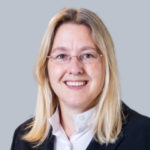
R&D executive with 23 years of expertise at AstraZeneca, Sanofi and Bayer in US, UK, D, CH, Sweden. I combine a PhD in Chemistry with an executive MBA with specialization in M&A, VC, corporate innovation / entrepreneurship. I have been working as R&D department head, project leader, member of governance councils plus bring business expertise based on supporting business development, contract negotiations, and consulting for startups and VC.


Patrick Schorderet is Head of Digital Strategy & Execution at Novo Nordisk, with responsibilities to help drive Novo Nordisk’s research organisation’s digital transformation. Prior to his current position, Patrick held various positions including PwC’s European consulting leader in Digital Strategy & Innovation for research-based organisations. Patrick holds a PhD in molecular biology and applied data science.


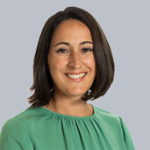
Lead a department of ~200 talented scientists within Discovery Sciences accountable for assay development, cellular reagent generation and cell model development, cell banking, compound profiling (including wave 1 DMPK and early safety profiling), chemical biology, proteomics and mechanism of action studies in support of AstraZeneca’s Small Molecule and Oligonucleotide portfolio. This role is an evolution of my initial role at AstraZeneca, to bring together our assay development and compound profiling teams into a single department.

Experienced professional in biopharmaceutical industry with a strong background in analytical, formulation and process development for biologics. Experience includes successful global product, approval, launch and support of commercial supply chains in the areas of (immuno-)oncology (Keytruda, Adakveo), infectious disease (Zinplava), ophthalmology (Beovu), auto-immune disease (Ilumya, Cosentyx), allergy immunotherapy (Grastek/Ragwitek), multiple sclerosis (Ofatumumab) and fertility (Elonva, Puregon).
Bert is a Senior Fellow Architecture and Engineering at JnJ Innovative Medicine Technology R&D. That means he designs future proof solutions for the Global Sciences department, focusing on cloud-native implementations of systems that require High Performance Compute or require full integration. Bert has a background in Chemistry and Computer Science. During his 28-year career at JnJ he has spent 26 years in various IT departments. In his current position, Bert is predominantly focused on the Discovery (overall process, and In-silico design using Machine Learning) and the lab execution (Scientific Data Management) systems.

16+ years of experience in pharma industry, including 12+ year experience in leading a growing team of machine learning and data scientists and computational biologists and chemists who harness established and emerging high-dimensional data sources technologies by internalizing, developing and integrating advanced analysis and interpretation approaches in support of drug discovery.

With over five years of experience in pharmaceutical R&D and computational science, I currently serve as the Therapeutic Projects Data & AI Lead at Servier, where I focus on leveraging data analytics and artificial intelligence to drive innovation in oncology, neurology, and immuno-inflammation therapeutic areas. My role emphasizes creating advanced tools and methodologies in collaboration with internal and external stakeholders to support the concept phase in drug development.

Anna Codina is a seasoned scientific strategist with a career spanning academia, pharma, and industry. She has held key roles at Pfizer and Bruker, where she led initiatives in analytical science and biopharmaceuticals. Now at SciY, Anna focuses on driving digital transformation in life sciences, leveraging her deep technical expertise to accelerate innovation and operational excellence. She brings a unique perspective on how data-driven technologies are reshaping the future of drug discovery and development.

Mark Hahnel is the VP Open Research at Digital Science. He is the founder of Figshare, which he created whilst completing his PhD in stem cell biology at Imperial College London. Figshare currently provides research data infrastructure for institutions, publishers and funders globally. Mark sits on the board of DataCite and the advisory board for Directory of Open Access Journals (DOAJ) re3data and the Journal of Open Research Software (JORS).”



Mark Hahnel is the VP Open Research at Digital Science. He is the founder of Figshare, which he created whilst completing his PhD in stem cell biology at Imperial College London. Figshare currently provides research data infrastructure for institutions, publishers and funders globally. Mark sits on the board of DataCite and the advisory board for Directory of Open Access Journals (DOAJ) re3data and the Journal of Open Research Software (JORS).”


I work at the intersection of computational chemistry, structural biology and machine learning, where I aim to bring co-folding models into practical use for structure-based drug discovery. With more than five years of experience supporting discovery portfolios and developing new technologies, I help translate structural and bioactivity data into actionable insights, enabling projects to progress from hit identification to lead optimization. This includes contributions to more than 10 projects across multiple therapeutic areas. My work is centered on co-folding, with a focus on pocket and binding mode elucidation, scalable virtual screening, fine-tuning and architectural improvements. I focus on making these models reliable and directly useful for decision-making in the drug discovery pipeline. I actively collaborate with the broader scientific community through initiatives such as OpenFold and AISB, contributing to the development and adoption of next-generation modelling approaches in drug discovery

Darren has recently retired from GSK after a career spanning 33 years and many roles, most recently as Global Head of Cheminformatics. He is now semi-retired, working as a Consultant and is Honorary Professor of Chemistry at University College London where he continues to pursue novel computational methods- based on simulation, cheminformatics and machine learning- which will improve the speed and efficiency of small molecule drug discovery.

– Lead of Data, Digitalization and AI Cross Functional Circle (D2AI) at pCMC in Small Molecule Research
– ML method development for drug synthesis, preformulation and analytical problems
– Computational chemistry and solid state modelling accelerated by AI
– Building agentic systems to automate experiment design and decision making
I work at the intersection of computational chemistry, structural biology and machine learning, where I aim to bring co-folding models into practical use for structure-based drug discovery. With more than five years of experience supporting discovery portfolios and developing new technologies, I help translate structural and bioactivity data into actionable insights, enabling projects to progress from hit identification to lead optimization. This includes contributions to more than 10 projects across multiple therapeutic areas. My work is centered on co-folding, with a focus on pocket and binding mode elucidation, scalable virtual screening, fine-tuning and architectural improvements. I focus on making these models reliable and directly useful for decision-making in the drug discovery pipeline. I actively collaborate with the broader scientific community through initiatives such as OpenFold and AISB, contributing to the development and adoption of next-generation modelling approaches in drug discovery

Matt joined Syngenta in 2019 and is currently a Principal Scientist in the Automation Team within the Bioscience function; developing innovative automation applications and maximising the utilisation of existing automated equipment. His previous roles in Biology and Formulation Chemistry involved high-throughput screening, upgrading existing automation and onboarding new automated systems.

Philippa has a long-standing interest in digital phenotyping and in using analysis of behaviour to understand the mechanism of action of chemicals. She joined Syngenta in 2009 after completing her PhD at the University of Southampton. She is currently a Principal Scientist in the Invertebrate Genetics team within the Bioscience function, where she is responsible for the C. elegans symptomology platform.

After completing his PhD in 2013 from “Sapienza” University of Rome, Claudio held postdoctoral positions at the University of Cambridge, working on innovative flow technologies and collaborating with major pharmaceutical companies.
In 2017, Claudio joined Syngenta as a Team Leader in Process Research, where he established flow chemistry as an enabling technology and led the creation of a global flow chemistry platform. In 2021 he was appointed Chemistry Automation Lead, focusing on operational leadership and automation initiatives.
In 2023 he took up the role of Transformation Lead Digital & Automation Prototype for Crop Protection Research, at Syngenta. Most recently, as of January 2024, Claudio has taken on the role of Digital Automation & IoT Lead for R&D, where he is responsible for driving the strategy across functions and leading change in the R&D organization. In this capacity, he also leads the cross-functional Microfluidics strategy in R&D.
Matt joined Syngenta in 2019 and is currently a Principal Scientist in the Automation Team within the Bioscience function; developing innovative automation applications and maximising the utilisation of existing automated equipment. His previous roles in Biology and Formulation Chemistry involved high-throughput screening, upgrading existing automation and onboarding new automated systems.
Philippa has a long-standing interest in digital phenotyping and in using analysis of behaviour to understand the mechanism of action of chemicals. She joined Syngenta in 2009 after completing her PhD at the University of Southampton. She is currently a Principal Scientist in the Invertebrate Genetics team within the Bioscience function, where she is responsible for the C. elegans symptomology platform.